Lexi: AI-Powered Vocab for IELTS
Designing an AI-Assisted, Story-Driven Vocabulary Learning Experience for IELTS Prep

Overview
Lexi is an AI‑powered vocabulary learning platform for non‑native English speakers preparing for IELTS, TOEFL, and similar exams. It combines thematic word grouping with visual storytelling to make exam vocabulary more contextual, engaging, and memorable than traditional rote memorization. I founded and designed Lexi end‑to‑end, from initial concept and research to product prototype and marketing site.
Problem & Context
Preparing for high‑stakes exams like IELTS often relies on word lists and flashcards that are disconnected from real use. Learners spend hours memorizing isolated words, only to forget them quickly or struggle to apply them in context.
In the actual exam, vocabulary rarely appears as single, standalone items. Words tend to cluster around topics such as environment, education, or technology, and they show up together across reading passages, listening transcripts, and speaking prompts. When learners only see vocabulary in alphabetical lists instead of in these thematic clusters, they miss the chance to build mental connections that match how the words appear in the real test.
Research in cognitive science shows that memory retention improves when information is learned in context, because the brain remembers connections better than isolated facts. User feedback echoed this: non‑native learners described traditional word lists as overwhelming and ineffective, especially when they could not see how words worked together inside exam‑like situations. Most existing tools focus on repetition and flashcards rather than thematic grouping or storytelling, leaving a gap for exam‑focused, context‑rich vocabulary learning.
Customer & Market
Lexi targets non‑native English speakers preparing for English proficiency exams, including students, professionals, and new immigrants. Many of them face strong external pressure to achieve specific scores for immigration, education, or career advancement, and are actively investing time and money in prep tools.
The English proficiency test market is large and growing, projected to reach over 15 billion USD by 2030. Learners already spend significantly on exam prep apps and courses, yet many available tools either offer generic vocabulary practice or emphasize drilling over context, leaving room for a more focused, story‑driven alternative.
Strategy
I designed Lexi around how vocabulary actually appears in exams: in themes and situations, not as isolated items. Instead of alphabetical word lists, Lexi groups words into exam‑relevant topics and places them inside short, visual stories that mirror real test contexts.
- Theme‑based grouping
Each module centres on a single topic, such as environment, education, or technology, and introduces words that naturally co‑occur in IELTS tasks. This helps learners build connections between related terms so they can recognize and reuse them together, rather than recalling one word at a time. - Visual storytelling
Rather than showing vocabulary as random, disconnected items, Lexi turns each set of words into a simple narrative with supporting images. Learners encounter new terms inside a story, see how they interact with each other, and anchor meaning to characters, actions, and scenes. - Context before drilling
The experience introduces words first in rich, exam‑like contexts and only then moves into focused practice such as recall tasks, quick checks, or mini‑quizzes. This reverses the traditional pattern of memorizing first and searching for context later, aligning with evidence that contextual encoding strengthens retention. - AI as a content partner
I used AI to generate and iterate on story ideas, prompts, and example sentences, then curated and refined them for clarity and test relevance. Under the hood, Lexi combines an AI‑generated story engine with curated thematic vocab lists and iterative user testing, so the learning model is both scalable and pedagogically grounded. - Landing page as a validation tool
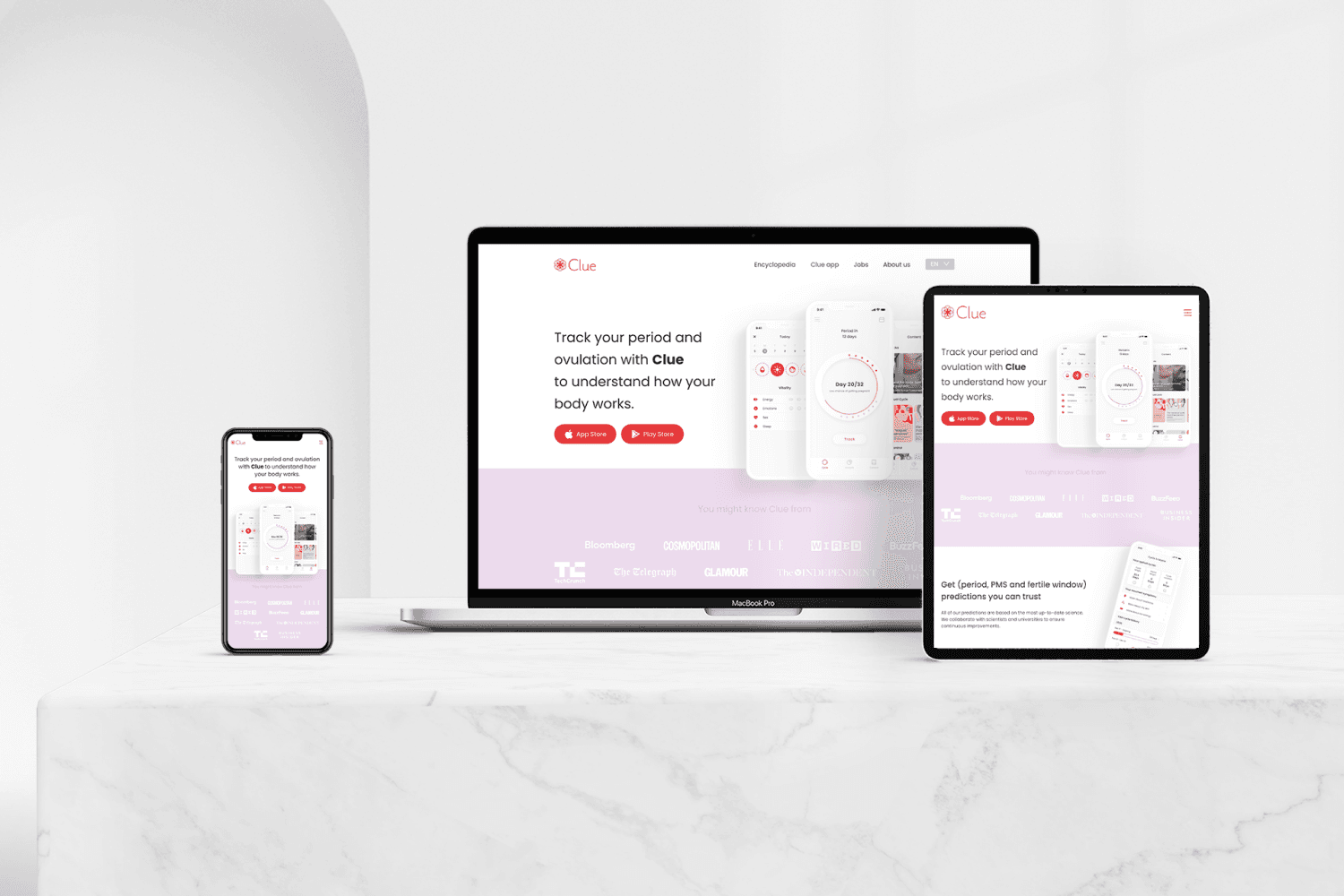
In parallel with the product prototype, I designed a responsive marketing site with clear positioning, key benefits, and simple social‑style proof. The site serves as both a brand touchpoint and a way to capture early interest and feedback before investing in full development.
Contribution
Across the project, I:
- Conducted market and competitor research to identify gaps in existing exam vocabulary tools, including flashcard‑focused apps and general language platforms.
- Interviewed non‑native English speakers to understand their pain points, motivations, and exam pressure, and synthesized these into core problem statements.
- Defined Lexi’s value proposition, learning model, and information architecture around theme‑based, story‑driven vocabulary learning.
- Designed the end‑to‑end prototype, including onboarding, theme selection, story‑based lessons, and basic progress tracking.
- Created a responsive marketing site in Wix Studio to communicate Lexi’s story, pricing tiers, and core benefits.
- Outlined a tiered subscription model (Basic and Premium) with differentiated feature sets, preparing Lexi for future monetization.
- Set up and managed a feedback loop with early testers to refine story flow, difficulty levels, and interaction patterns.


Outcomes
- Delivered a working prototype that demonstrates Lexi’s core value: AI‑assisted visual storytelling and thematic grouping for exam vocabulary, from onboarding to lesson completion.
- Designed and launched a marketing site that articulates Lexi as “Smart, focused, effective vocabulary for IELTS and more”, and uses this positioning to capture and filter interested learners.
- Ran initial user tests with non‑native English learners, validating that the story‑based, theme‑driven model felt more engaging and memorable than traditional word lists.
- Defined Basic and Premium plans, including feature scopes like personalized study plans, analytics, and customizable learning paths, creating a clear path toward a subscription‑based business model.
- Established the product, brand, and venture narrative required for future partnerships with tutors, schools, and test prep centres in China and Canada.
Reflection
Building Lexi forced me to think beyond UI and flows and design a learning model that could actually change how people remember words. Translating research on contextual learning and storytelling into concrete product decisions, like how to group words, pace stories, and surface visuals, was as critical as any layout or component choice.
Working as a founder‑designer also shifted my decisions toward viability. Every feature had to justify itself not only in terms of user value, but also in terms of technical feasibility, subscription economics, and go‑to‑market potential. Lexi is still early, but it gave me a repeatable pattern for building lean, research‑backed, AI‑enabled products in education and beyond.